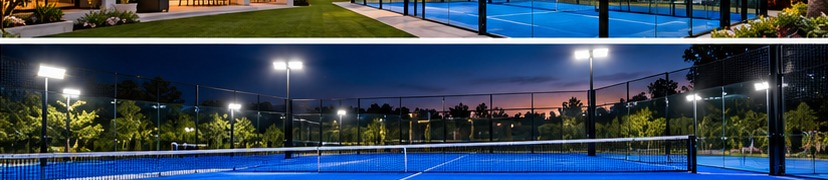
Modern sports centres compete on more than the number of activities they offer. Visitors notice the quality of the environment, the ease of booking, the visibility of the action and whether the facility feels designed around them. Padel fits this shift because it combines accessible doubles play with a distinctive enclosed court. Panoramic configurations add another design dimension by opening up views and making the court a visible focal point within a club or leisure destination.
Design can support participation
A court that is easy to understand and comfortable to watch can help newcomers feel welcome. Clear access, good lighting and well-defined circulation areas reduce confusion for first-time visitors. Coaches benefit from visible court boundaries and a layout that allows them to demonstrate tactics without obstructing play. These elements support participation, even though the quality of coaching and community programming remains equally important.
The engineering behind the experience
A modern court brings together structural framing, glass, mesh, turf, lighting and the prepared base. Each part influences the others. For example, site drainage affects surface performance, while lighting position influences visibility and glare. Buyers should request drawings and technical details early enough for engineers, installers and venue managers to review the complete arrangement.
Digital tools and facility management
Booking platforms can help operators manage court availability, memberships, payments and league schedules. Over time, utilisation data can show which time slots are in demand and when maintenance should be scheduled. Lighting controls and energy-efficient equipment may also help manage operating costs. These tools work best when staff have clear processes and the facility’s underlying design is reliable.
Sourcing for a modern sports centre
When researching padel courts china, sports-centre developers should share the project’s operating model, site drawings, expected usage and desired features. Ask suppliers to identify the equipment included in the package, the technical assumptions behind the quote and the support available during installation. A transparent scope makes it easier to coordinate the court with the wider building or landscape project.
The panoramic option
A full panoramic padel court may be especially suitable where spectators, hospitality areas or event programming are part of the concept. Its open appearance can help integrate the playing area with the venue. Nevertheless, owners should assess structural requirements, glass care, repair access and cost alongside the visual benefits.
Indoor, outdoor or covered
Indoor courts can offer more predictable playing schedules, but require suitable height, ventilation and lighting. Outdoor installations can connect with landscaping and public spaces, yet must account for weather and drainage. Covered courts can sit between these approaches, although the roof structure and environmental conditions require careful planning. The best format depends on local demand, site constraints and the business case.
A better experience through service design
Court quality is only one part of the customer journey. Clear booking instructions, accessible routes, changing facilities, comfortable seating and responsive staff all influence satisfaction. Introductory coaching, social leagues and events can make the venue more approachable. Operators should plan these services before opening instead of treating them as optional extras.
Performance and maintenance metrics
Track court occupancy, repeat bookings, cancellations, customer feedback, maintenance issues and downtime. These measures can help operators decide whether to adjust prices, add coaching sessions or change cleaning schedules. A maintenance calendar should include routine visual checks and qualified inspections where required. Data is most useful when it leads to a clear operational action.
A balanced view of innovation
Modern sports facilities benefit when design, technology and service work together. Panoramic courts can contribute to the look and feel of a venue, while booking systems and good maintenance help keep it practical. A successful project connects those features to real user needs, creating an environment that performs well on ordinary weekdays as well as during special events.
Technology should solve a real problem
Before adding advanced booking features, sensors or automated controls, identify the problem the technology is expected to solve. A simple, reliable booking system may be more useful than a complex platform that staff struggle to maintain. Review usability, privacy, integration and support costs before choosing a vendor.
A connected operating model
The strongest facilities link booking data with maintenance records and customer feedback. If one court experiences repeated cancellations or repairs, managers can investigate whether the issue relates to scheduling, equipment or user guidance. Data should inform decisions while staff retain responsibility for safety and service.
Plan for maintainability
Technology and design should make routine work easier, not harder. Lighting equipment should be accessible for servicing, drainage should be easy to inspect and staff should know where to find technical documentation. When choosing booking or access systems, consider how they work during internet outages and how support is obtained. Simple contingency procedures can prevent a minor technical issue from disrupting an entire evening of play.
Use feedback alongside metrics
Utilisation figures show when courts are booked, but they do not fully explain customer satisfaction. Short surveys, staff observations and maintenance reports can reveal why players cancel or choose another venue. Review the information together and select one or two improvements to test. A disciplined cycle of measurement and adjustment is more effective than buying new technology without a clear operational objective.
A practical digital checklist
Before adopting new tools, list the tasks staff perform each day and identify where errors or delays occur. A shared maintenance log, automatic booking reminders or simple lighting schedules may solve a real problem without creating a complex system. Check that staff can use the tools, data can be exported and technical support is available. Digital improvements should reduce friction for both customers and employees.
Keep people at the centre
Even in a highly connected sports centre, staff judgement remains essential. Technology can flag a booking conflict or record a maintenance issue, but employees need clear authority to pause play when safety is in doubt. Provide training and simple escalation steps so that digital systems support good decisions instead of replacing them.
Conclusion
Modern sports centres succeed when design, technology and service solve real user needs. A panoramic court can contribute to visibility and atmosphere, while booking data and preventive maintenance help keep the facility practical. The strongest results come from integrating those elements into one clear operating model.
Editorial word-count check: approximately 1036 words including headings.